
Brand Alignment: The Most Overlooked Driver of ROI
Brand alignment is one of the most powerful and underleveraged drivers of business performance. When a company’s intent, employee experience, and market perception work together, the brand becomes clearer, more credible, and more profitable. When these elements drift apart, even strong strategies lose momentum. Organizations that want to compete confidently and grow with intention must understand how alignment fuels trust, customer choice, and the effectiveness of every marketing and experience investment.
Brand alignment is not simply a branding concept. It is an operational reality that determines how consistently the organization delivers on its promise and how quickly the market understands its value. When strategy, culture, and perception support one another, the brand becomes a leading source of differentiation and a measurable contributor to ROI.
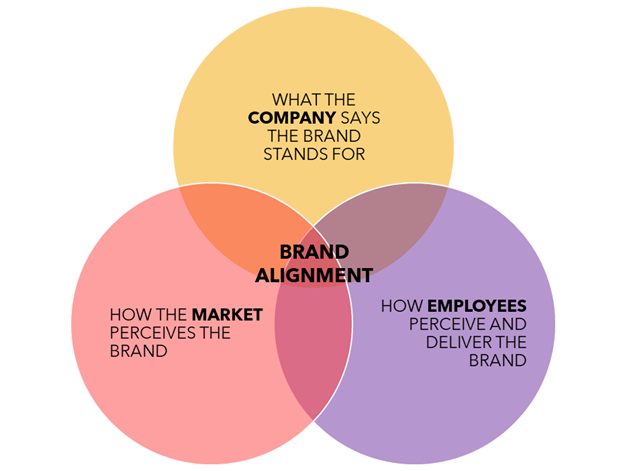
BRAND ALIGNMENT MODEL
1. What the Company Says the Brand Stands For
This is the strategic foundation created by leadership. It defines the purpose, value proposition, personality, and promise that shape how the company wants to be recognized. A clear strategy provides direction, but its strength depends on how successfully it guides communication, decision making, and behavior across the organization.
A brand strategy becomes meaningful only when it translates into experiences that customers can see and feel.
2. How the Market Perceives the Brand
Market perception reflects the lived reality of customers. It forms through every interaction, from product quality to messaging to competitive comparison. Customers ultimately decide what the brand represents and whether it is worth choosing.
When the company’s intended narrative does not match what customers believe, the brand struggles to earn trust, demand weakens, and marketing becomes less efficient. A brand succeeds when the market clearly understands and values the attributes the company wants to convey.
3. How Employees Perceive and Deliver the Brand
Employees are the cultural and operational layer of the brand. They bring the brand to life through their behaviors, interactions, and decisions. If employees do not understand or believe in the brand, the experience becomes inconsistent and customers feel the disconnect.
When employees have a clear, authentic connection to the brand, they deliver it with purpose. This strengthens customer relationships, increases loyalty, and creates a competitive advantage that is difficult to replicate.
Why Alignment Across All Three Layers Matters
True brand strength is created when leadership intent, employee behavior, and market perception move in the same direction. This alignment produces a brand that is easy to understand, easy to trust, and easy to choose. It increases the consistency of every interaction and improves the impact of marketing, sales, and customer experience efforts.
Misalignment creates confusion and weakens credibility. Alignment creates clarity that accelerates decision making and strengthens ROI.
Bringing the Three Layers Together
Brand alignment does not happen on its own. It is the result of intentional strategy, a cohesive culture, and a clear understanding of how customers interpret the brand. When these layers support one another, the brand becomes a strategic engine for clarity, trust, and measurable business performance.